
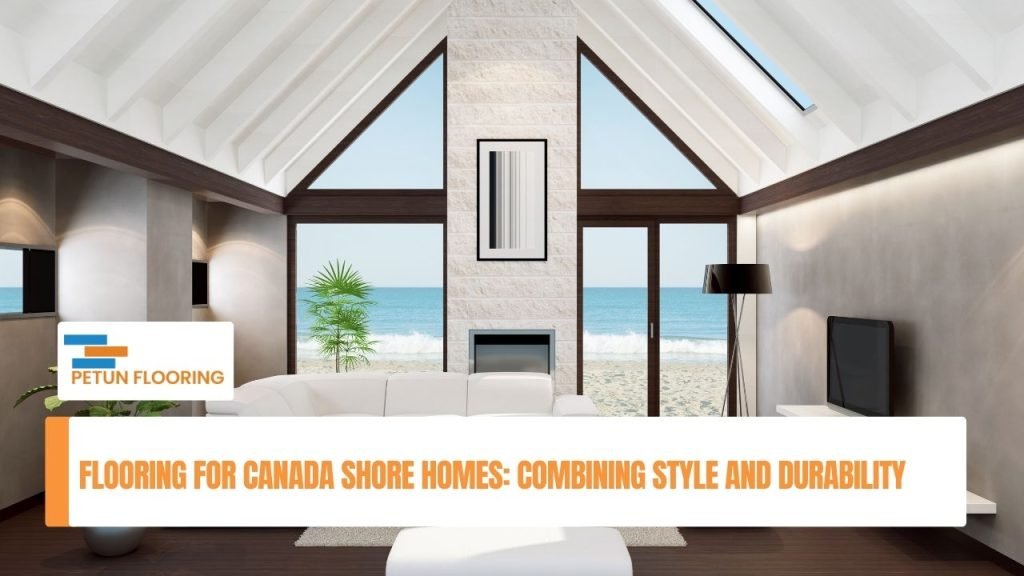
When choosing flooring for shore homes in Canada, it’s important to consider both style and durability due to the unique environmental conditions near bodies of water. Here are some flooring options that combine both aspects:
- Porcelain Tile: Porcelain tiles are highly durable and water-resistant, making them an excellent choice for shore homes. They come in a wide variety of styles, including ones that mimic the look of natural stone, wood, or concrete. Porcelain tiles are easy to clean and maintain, which is important for homes near the water.
- Luxury Vinyl Plank (LVP): LVP is designed to mimic the appearance of hardwood flooring while offering better water resistance. It’s more budget-friendly than hardwood and has the added benefit of being more forgiving if dropped items occur frequently due to sand or other beach debris.
- Engineered Hardwood: While solid hardwood is not typically recommended for humid and wet environments, engineered hardwood is a suitable option. Engineered hardwood consists of a real wood veneer over layers of plywood, making it more stable and less prone to warping due to moisture.
- Ceramic Tile: Ceramic tiles are another water-resistant option that comes in various styles. They are durable and can withstand high traffic areas, making them suitable for beach homes with frequent foot traffic.
- Bamboo Flooring: Bamboo is a renewable resource and can be a stylish and durable flooring choice. While it’s not as water-resistant as some other options, strand-woven bamboo is more moisture-resistant than traditional bamboo flooring.
- Concrete Flooring: Stained or polished concrete floors can provide a modern and sleek look for shore homes. Proper sealing can make them resistant to water and moisture.
- Rubber Flooring: Rubber flooring is an unconventional but durable choice for shore homes. It offers comfort underfoot, is slip-resistant, and can handle moisture without warping or deteriorating.
- Stone Flooring: Natural stone, such as slate or granite, can add a touch of elegance to your shore home. While it requires regular sealing, stone is highly durable and can withstand the elements.
When selecting flooring for shore homes, it’s essential to choose options that are resistant to water, moisture, and potential salt exposure. Additionally, proper maintenance, such as regular cleaning and sealing, will help prolong the lifespan of your chosen flooring. Consider your personal style, the specific environment of the shore, and the amount of foot traffic when making your flooring decision.
What type of flooring lasts the longest?
Several types of flooring are known for their longevity and durability. The choice of flooring that lasts the longest depends on factors such as the material’s resistance to wear and tear, maintenance requirements, and the specific environment it will be installed in. Here are some flooring types known for their long lifespan:
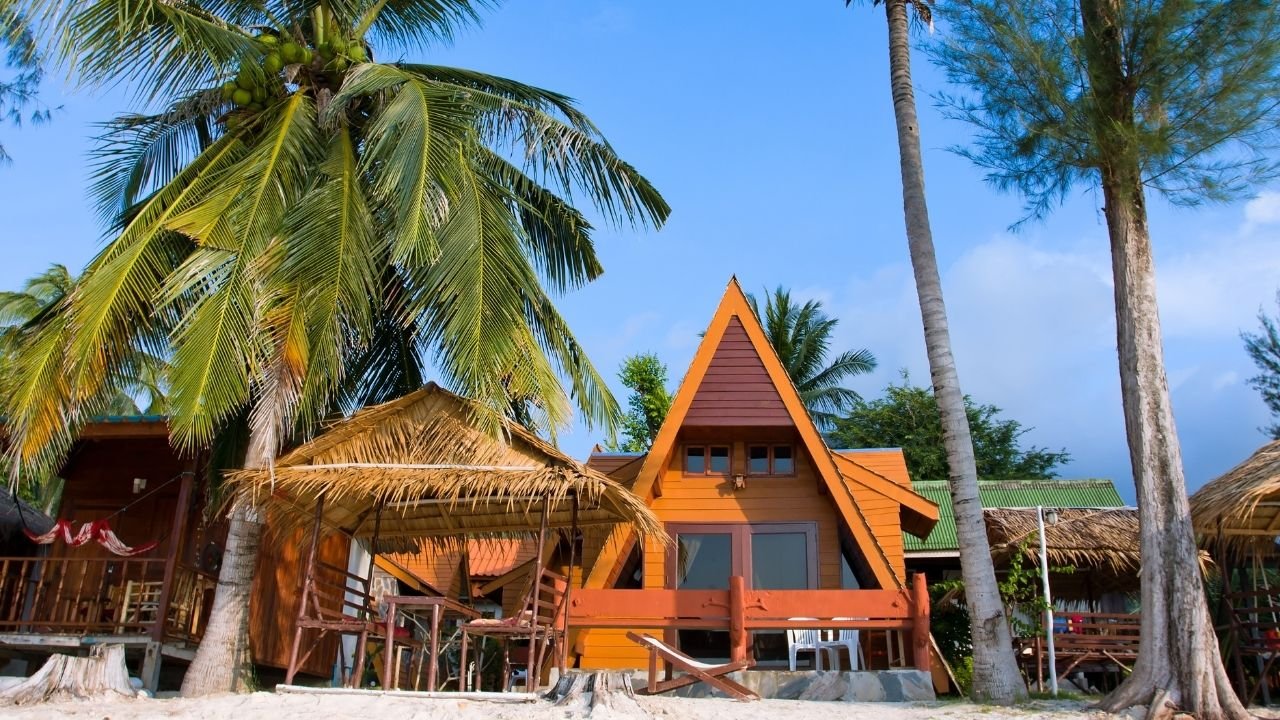
- Natural Stone: Flooring materials like granite, marble, and slate are renowned for their durability and ability to withstand heavy traffic. When properly cared for and sealed, natural stone flooring can last for generations.
- Porcelain Tile: Porcelain tile is fired at high temperatures, making it extremely dense and durable. It’s resistant to scratches, stains, and moisture. With proper installation and maintenance, porcelain tile can last for decades.
- Concrete: Sealed and properly maintained concrete floors can be incredibly durable. They are common in commercial and industrial settings due to their longevity and ability to handle heavy loads.
- Hardwood Flooring: Solid hardwood can last a long time with proper maintenance and refinishing. It can be sanded and refinished multiple times, allowing it to maintain its appearance over many years.
- Engineered Hardwood: Engineered hardwood consists of a real wood veneer over layers of plywood, giving it stability and resistance to moisture. It can last a long time if cared for properly.
- Bamboo Flooring: Bamboo is a renewable material that’s also quite durable. Strand-woven bamboo, in particular, is one of the hardest and most durable options available.
- Terrazzo: Terrazzo is a composite material made of chips of marble, granite, glass, or other materials set in a binder. It’s extremely durable and often used in commercial settings.
- Brick Flooring: Brick is a highly durable and low-maintenance flooring option. It’s commonly used in high-traffic areas and outdoor spaces.
- Vinyl Flooring: Luxury Vinyl Plank (LVP) and luxury vinyl tile (LVT) are known for their longevity. They resist moisture, scratches, and wear, making them suitable for both residential and commercial use.
- Cork Flooring: Cork is a renewable material with natural properties that make it resistant to damage. When properly maintained, cork flooring can last for a long time.
It’s important to note that while these flooring types are known for their durability, proper installation, maintenance, and care are crucial for maximizing their lifespan. Additionally, your choice should consider the specific needs and environment of your space, as well as your personal preferences.
What are Canadian beach houses like?
Canadian beach houses can vary widely in terms of design, architecture, and features, but they are typically designed to maximize enjoyment of the natural surroundings and provide a comfortable retreat by the water. Here are some common characteristics of Canadian beach houses:
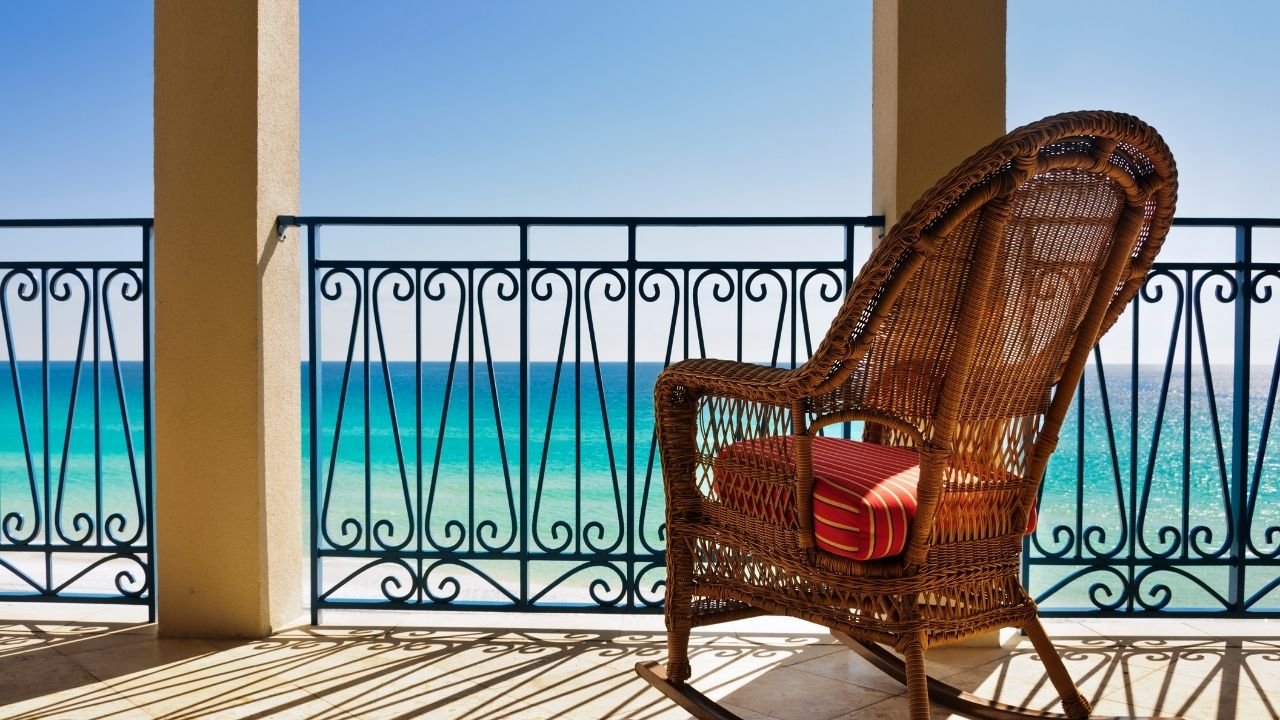
- Architectural Styles: Canadian beach houses can be found in various architectural styles, including contemporary, modern, rustic, cottage-style, and more. The style often reflects the regional influences and the preferences of the owners.
- Waterfront Proximity: Beach houses in Canada are usually located close to bodies of water such as lakes, rivers, or oceans. The proximity to the water is a key factor in their design and layout.
- Views: Expansive windows, glass doors, and open layouts are often employed to capture and maximize the beautiful waterfront views. Many beach houses are designed to face the water, allowing residents to enjoy the scenery from various areas of the house.
- Outdoor Living Spaces: Outdoor spaces such as decks, patios, balconies, and porches are essential features of Canadian beach houses. These spaces provide opportunities for outdoor dining, relaxation, and socializing while taking in the natural surroundings.
- Weather Resistance: Due to Canada’s diverse climate, beach houses are designed to withstand a range of weather conditions, from cold winters to humid summers. Proper insulation, durable materials, and weather-resistant siding are common considerations.
- Natural Materials: The use of natural materials such as wood, stone, and glass is common in Canadian beach house design. These materials help blend the house with the natural environment and create a cozy atmosphere.
- Open Floor Plans: Open-concept floor plans are often favored to enhance the sense of space, facilitate social interaction, and allow for flexibility in furniture arrangement.
- Nautical and Coastal Themes: Some Canadian beach houses adopt nautical or coastal design elements in their interiors, including colors like blues and whites, maritime decor, and beach-themed accessories.
- Fireplaces and Wood Stoves: To provide warmth during colder months, many beach houses feature fireplaces or wood-burning stoves. These features not only offer functional heating but also contribute to the cozy ambiance.
- Sustainable Design: Eco-friendly and sustainable design practices are becoming more popular in Canadian beach house construction. Solar panels, energy-efficient appliances, and other sustainable features may be integrated into the design.
- Recreational Features: Many beach houses offer recreational amenities such as outdoor showers, water sports equipment storage, and direct access to the water for activities like swimming, kayaking, and boating.
- Rustic Charm: Some beach houses embrace a rustic charm that reflects the laid-back and relaxed lifestyle associated with beach living. Exposed beams, wood paneling, and a cozy atmosphere are characteristic of this style.
Ultimately, Canadian beach houses are designed to provide a comfortable and inviting space for residents and guests to enjoy the natural beauty and recreational opportunities offered by the waterfront location. The design choices often reflect the local culture, climate, and individual preferences of the homeowners.