

Choosing the perfect flooring for your home is a significant decision that involves considering a variety of factors, including aesthetics, durability, maintenance, budget, and lifestyle. This comprehensive decision-making guide will help you navigate the process and select the ideal flooring option for your needs:
**1. Budget:
- Determine your budget for flooring, including both material costs and installation expenses. Understanding your financial constraints will narrow down your options.
**2. Location and Room Usage:
- Consider the specific room or area where you’ll install the flooring. Different spaces have different requirements. For example:
- High-traffic areas like living rooms and hallways need durable options.
- Moisture-prone areas like bathrooms and kitchens require water-resistant or waterproof choices.
- Bedrooms and cozy retreats can benefit from warmer, softer flooring.
**3. Lifestyle and Family Needs:
- Think about your household’s lifestyle:
- Do you have pets? Some flooring types are more pet-friendly than others.
- Do you have young children? Consider ease of cleaning and comfort for play areas.
- Is there a need for hypoallergenic flooring for family members with allergies?
**4. Aesthetics and Design Preferences:
- Choose a flooring material and style that complements your interior design:
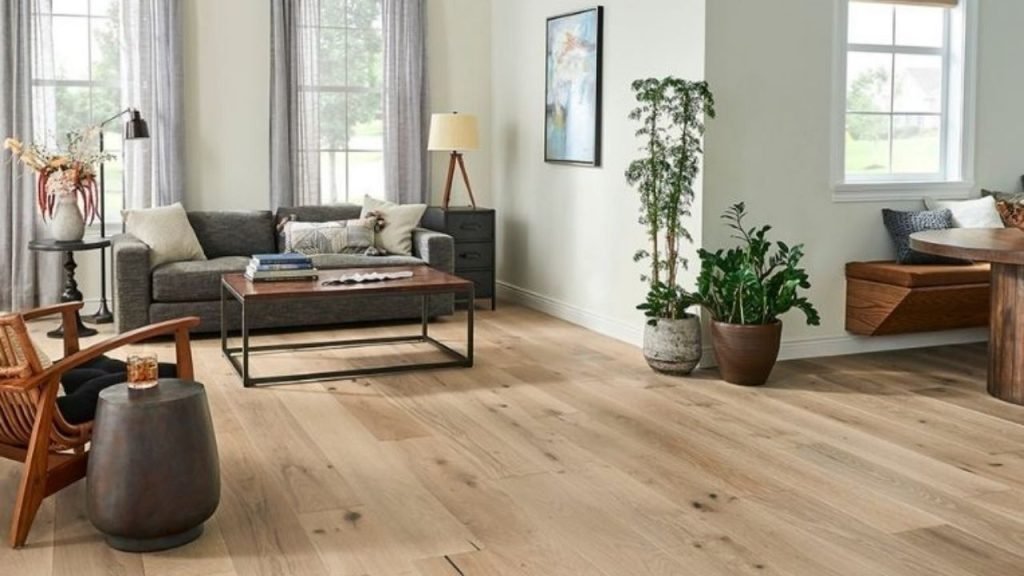
- Classic and timeless: Hardwood or engineered wood.
- Modern and sleek: Tile or polished concrete.
- Rustic and cozy: Carpet or wide-plank hardwood.
- Eclectic and unique: Patterned or textured flooring.

**5. Durability and Longevity:
- Assess the expected lifespan of the flooring material and its ability to withstand wear and tear.
- Consider the warranty and maintenance requirements, including refinishing or sealing.
**6. Climate and Location:
- Your geographical location and local climate play a role in your flooring choice:
- In humid areas, moisture-resistant flooring like tile or vinyl may be necessary.
- In dry climates, hardwood may be more suitable, but you need to maintain proper humidity levels.
- In regions with extreme temperature fluctuations, choose flooring that can handle changes without warping or cracking.
**7. Maintenance Requirements:
- Determine how much time and effort you’re willing to invest in maintenance. Some flooring options are low-maintenance, while others require regular care.
- Consider factors like ease of cleaning, stain resistance, and whether the flooring needs periodic sealing or refinishing.
**8. Health and Allergies:
- If you or your family members have allergies, prioritize flooring materials that do not trap allergens. Hard surfaces like hardwood, tile, or laminate are better than carpet.
**9. Eco-Friendly and Sustainable Options:
- If sustainability is a concern, look for flooring materials made from renewable resources, recycled content, or low-VOC (volatile organic compound) emissions.
**10. Installation Method:
– Consider whether you’ll hire professionals for installation or opt for DIY. Some flooring types are easier to install than others.
**11. Resale Value:
– If you plan to sell your home in the future, think about how the chosen flooring will affect the resale value. Certain flooring materials, like hardwood, often have high appeal to buyers.
**12. Samples and Samples:
– Obtain samples of your preferred flooring materials to see how they look and feel in your space. Compare them under different lighting conditions.
**13. Consult Experts:
– If you’re unsure about the best flooring option, consult with flooring professionals or interior designers. They can offer valuable insights and recommendations based on your specific needs and style preferences.
**14. Testing and Research:
– Do thorough research on the selected flooring materials. Look for customer reviews and testimonials to gauge real-world performance and satisfaction.
**15. DIY or Professional Installation:
– Assess your DIY skills and whether you have the necessary tools. Some flooring types are more suitable for professional installation.
**16. Local Building Codes and Regulations:
– Ensure that your chosen flooring complies with local building codes and regulations, especially if you’re remodeling or building a new home.
By carefully considering these factors and taking your time to research and explore your options, you can confidently select the perfect flooring that not only enhances the aesthetics of your home but also meets your practical needs and lifestyle requirements. It’s an investment that can significantly impact the comfort and functionality of your living spaces for years to come.