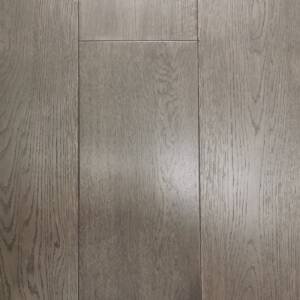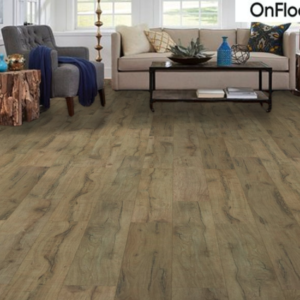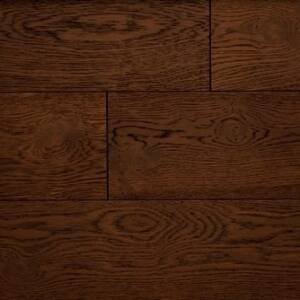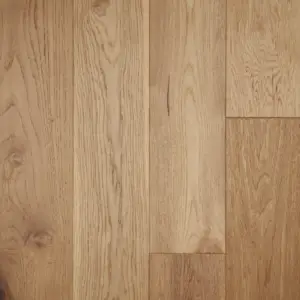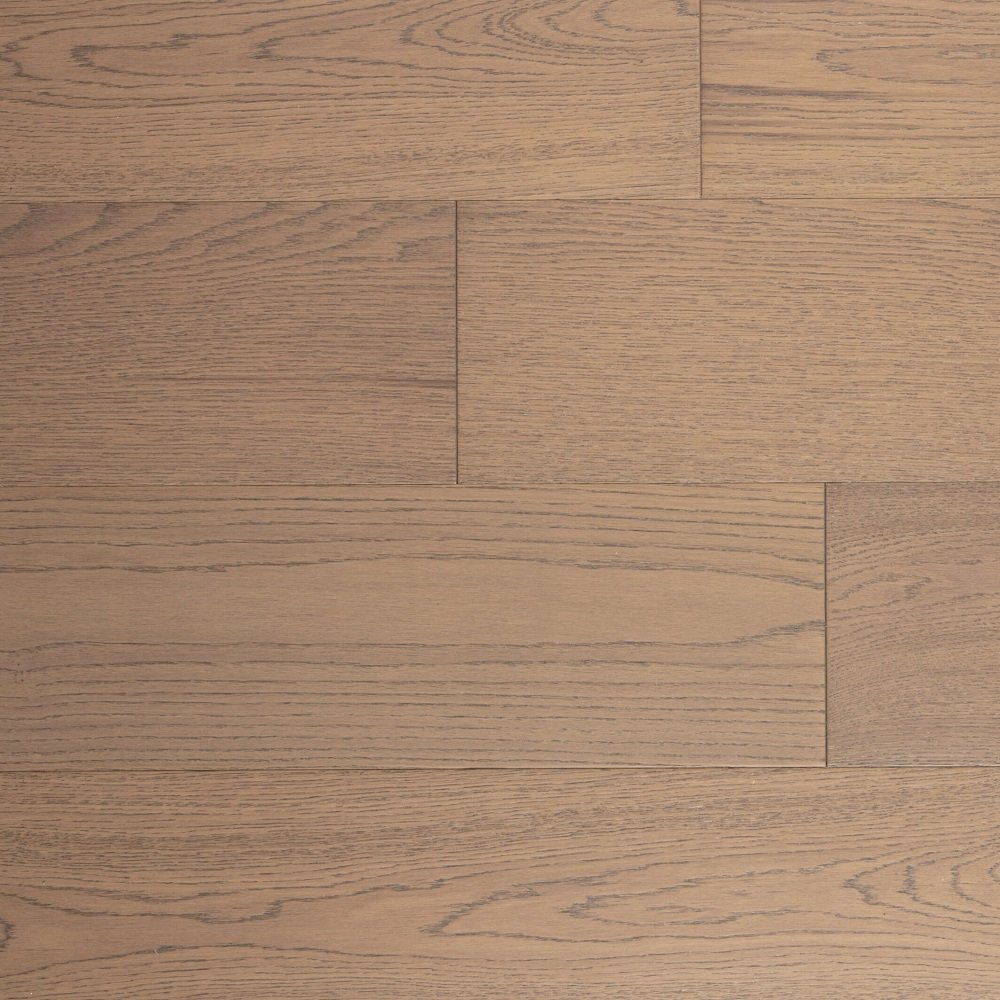
Description
Falcon Engineered White Oak 7.5: The Hardwood Species That Outlasted the Trends
Look at photographs of Canadian interiors from the 1920s, the 1970s and last year, and almost everything in them will have changed except one thing. The oak is still there. Fashions in cabinetry, lighting and wall colour have come and gone several times over, and white oak has quietly carried on underneath all of it. Falcon belongs to that long tradition.
What makes white oak behave the way it does
White oak is a dense, close grained timber. Its pores are partly blocked by natural deposits, which is the same property that made it the traditional choice for barrels and boat building, and it contributes to a surface that takes wear in a steady, even fashion. The figure runs in long, relatively straight lines with a calm rhythm rather than wild swirls, so a floor laid in it looks composed rather than busy across a large area.
That restraint is the real reason white oak flooring keeps returning. A timber with strong character makes a statement, and statements date. A quieter grain sits underneath whatever the room becomes, which means the floor you lay now will still look deliberate when the sofa, the paint and the kitchen have all been replaced.
Set beside red oak and maple
Comparing hardwood species honestly is more useful than praising one. Red oak, long the default in Canadian housing, has a more open and more pronounced grain and a warmer undertone, which gives it a traditional feeling but also makes it more insistent in a room. White oak is slightly denser than red oak and its figure is tighter and more linear, so it reads as more contemporary while still being unmistakably oak.
Maple goes the other way. It is harder still and its grain is very fine, almost smooth, which suits a minimal interior but offers little to look at and shows a dent or a scratch more plainly because there is no pattern to absorb it. White oak sits between the two, with enough grain to disguise ordinary life and enough discipline to stay out of the way.
The practical side of Falcon
This is a genuine engineered board, so the white oak flooring surface is a real hardwood layer bonded over a multi layer core, which holds its shape through a humid summer and a dry heating season better than a solid plank of the same width would. Boards are 7.5 inches wide and 3/4 inch thick in random lengths. A carton covers 19.73 square feet at roughly 50 lbs, and a pallet carries 986.5 square feet. Treat it as a timeless wood floor that still needs ordinary care: grit swept up before it is walked in, a barely damp mop rather than a wet one, no steam, and felt under the furniture.
Agreeing the method and the numbers
How an engineered oak board is best installed depends on what is beneath it and which storey it is going on, so please agree the method with our team instead of assuming one. Professional installation is strongly recommended. A fitter will test the subfloor for moisture and flatness, allow the material to acclimatise in the room, plan the board direction against the light and the joists, and stagger the random lengths so no two end joints sit awkwardly together. Confirm the specification, the room suitability and your quantities with the Petun Flooring team before ordering.
A timeless wood floor is worth seeing properly. The photograph will tell you something, and a board held in your own hallway light will tell you the rest, so ask us for a sample before you decide. Falcon is ready for pickup in Kitchener and Cambridge, inventory is limited, and if you bring your measurements we will work out exactly how many cartons the room needs while you are with us.
Specifications
Colour: Falcon
Size: 7.5”x3/4”xRL 190.5x19xRLMM
Box: 19.73 Sq. ft./ctn
Weight: 50 lbs./ctn
Pallet: 986.5 sq.ft/pallet