

It seems like the perfect match. A waterproof floor and a machine that cleans with nothing but water. Yet using a steam mop vinyl flooring combination is one of the fastest ways to wreck a floor that would otherwise have lasted twenty years.
The steam mop vinyl flooring pairing surprises almost everyone. The box said waterproof. The salesperson said waterproof. So what gives?
Waterproof Does Not Mean Steam Proof
Here is the distinction that matters. Waterproof describes the material. It means the plank itself will not swell, rot, or fall apart when water sits on it.
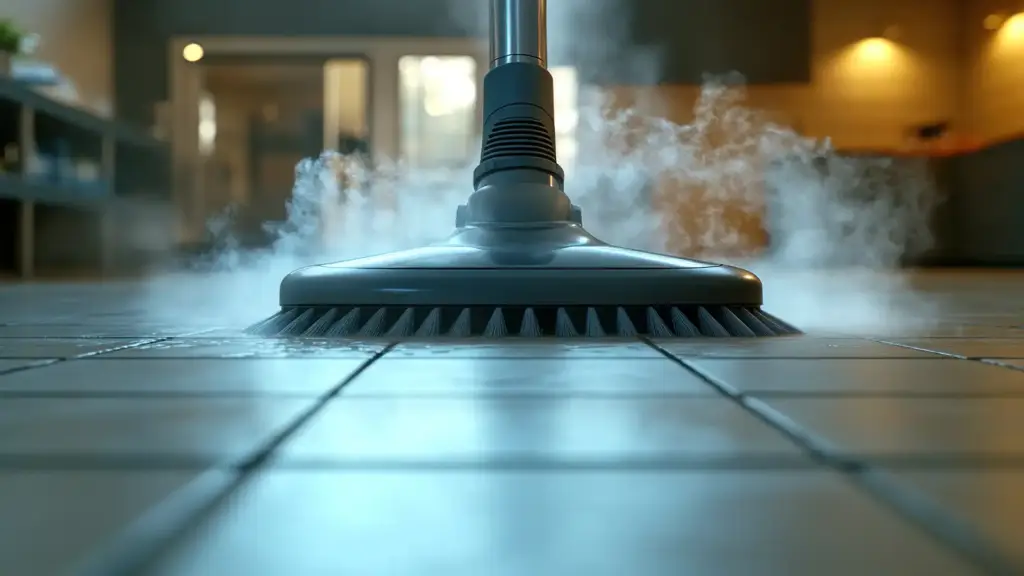
Steam is a different animal entirely. It combines heat and pressure, and that combination drives moisture places liquid water simply cannot reach.
What Actually Happens Down There
The waterproof claim applies to the surface of the plank. It does not apply to the seams, the locking joints, or the adhesive holding the layers together.
Industry sources are blunt about it. The number one enemy of vinyl flooring is the steam mop. The intense heat forces moisture deep into the joints, regardless of how waterproof the lock claim is.
So the water is not sitting on your floor. It is being pushed inside it.
The Damage You Will Eventually See
The failure is gradual, which is why nobody connects the cause to the effect. Months of steam cleaning happen before anything looks wrong.
Peeling at the Edges
Wear layer peeling is the classic symptom. The clear protective top layer starts separating from the printed layer beneath it, usually at plank edges first.
Repeated steam mopping will cause the edges of the planks to swell and peel. Once that starts, there is no repair. That plank is finished.
Seam Trouble
Seam damage shows up as edges that curl slightly upward, or a faint white haze along the joints. Run a hand across it and you can feel the lift before you can properly see it.
Adhesive Failure
On glue down products, heat softens adhesive. Planks shift, corners lift, and the floor develops a slight hollow sound underfoot.
The Warranty Conversation
This is the part that stings.
Peeling points to moisture or cleaning chemical damage, and manufacturers know exactly what steam does. Most warranties explicitly exclude damage from steam cleaning, which makes a warranty void claim fairly straightforward for them to deny.
You will be asked how the floor was cleaned. Answer honestly and the claim usually ends there.
How to Clean Vinyl Properly
The good news is that the right method is easier and cheaper than the wrong one.
A damp mop is genuinely all you need. Not wet, damp. Wring it until it is barely moist, and the floor dries within a minute or two.
- Sweep or vacuum first, since grit does more damage than dirt ever will
- Use an approved cleaner made for luxury vinyl, not an all purpose degreaser
- Skip anything oil based, waxy, or promising extra shine
- Wipe spills promptly rather than letting them find a seam
Other Cleaning Mistakes Worth Knowing
Steam mop vinyl flooring damage is the headline act, but it has company.
Common floor cleaning mistakes include soaking the floor with a wet mop, using vinegar solutions that dull the finish over time, and dragging a vacuum with a rotating beater bar across the surface. That last one leaves fine scratches you only notice when the afternoon light hits.
Abrasive pads deserve a mention too. A stubborn scuff feels like it needs scrubbing, but the scrubbing usually leaves a duller patch than the scuff did.
What About the Mop That Says It Is Safe?
Some manufacturers do approve specific low steam settings on specific products. That approval lives in your warranty documents, not on the mop’s packaging.
If your paperwork does not say yes in writing, treat it as a no. The mop company does not pay for your floor, and the flooring manufacturer is the one holding the warranty you will actually want to use one day.
What About Other Floor Types?
The steam question comes up for every surface, and the answers do differ.
Hardwood is arguably worse. Steam and wood are a genuinely terrible combination, since moisture driven into the grain lifts the finish and can cup boards permanently. Laminate is equally unhappy, because its fibreboard core swells the moment steam finds a seam.
Tile Is the Exception
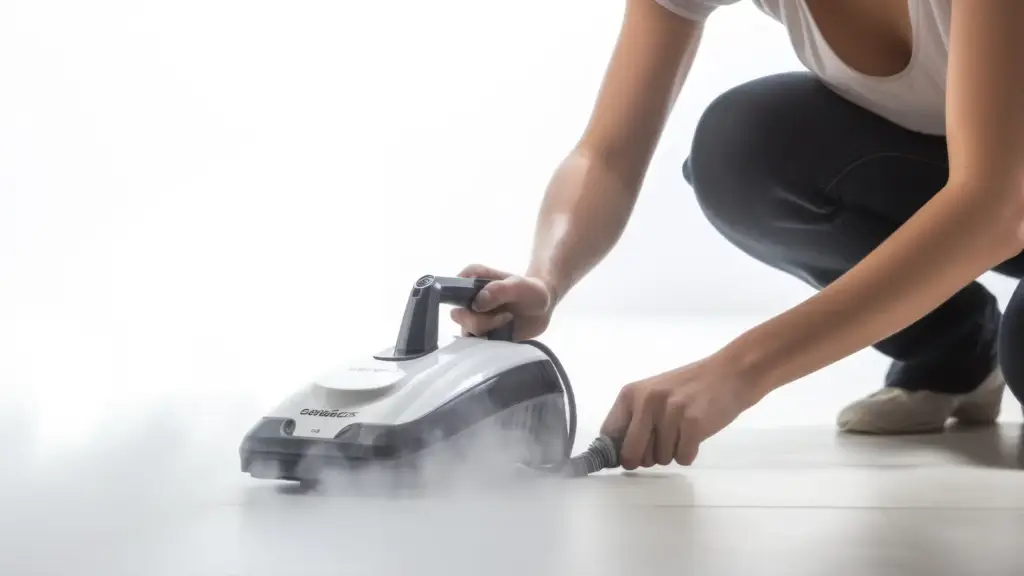
Sealed porcelain or ceramic tile handles steam reasonably well, which is where the whole idea got its good reputation. Grout is the weak point though, and repeated steam can wear sealant down over time.
So the rule of thumb is straightforward. If the floor has seams and a core that is not solid stone, steam is not your friend.
The wider point is that the steam mop vinyl flooring debate is really a debate about seams, and almost every modern floating floor has them.
A Small Habit, A Long Floor
There is something almost annoying about how simple the answer is. Sweep regularly, damp mop occasionally, use the cleaner the manufacturer recommends, and your vinyl will look sharp for years.
Retailers like Petun Flooring get asked about steam mops constantly, and the answer never really changes. It is not worth the risk on a floor you just paid for.
Frequently Asked Questions
Can you use a steam mop on vinyl plank?
In almost all cases, no. Heat and pressure force moisture into the seams and locking joints, which causes swelling and peeling even on waterproof rated products.
Why is my vinyl peeling at the edges?
Peeling at plank edges typically points to moisture or chemical damage, and repeated steam cleaning is one of the most common causes.
Does steam cleaning void a flooring warranty?
Frequently, yes. Most vinyl warranties exclude steam damage explicitly, so a claim tied to steam cleaning is usually denied.
What is the safest way to clean LVP?
Vacuum or sweep first, then use a barely damp mop with a cleaner approved for luxury vinyl. The floor should dry within a couple of minutes.
