

Warm floors on a February morning might be the single best upgrade in a Canadian home. No cold shock stepping out of bed, no drafts pooling at your ankles. But choosing flooring for radiant heating is not the same as choosing flooring for a normal room, and getting it wrong turns a luxury into a repair bill.
The heat source is underneath your floor now. That changes the rules completely.
How Radiant Heat Treats Your Floor
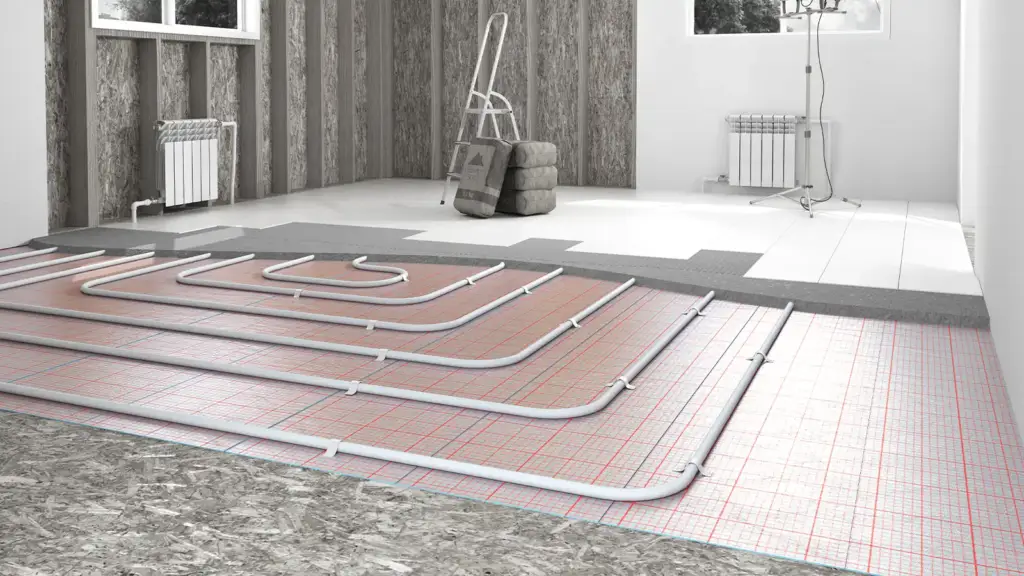
A normal room heats the air, and the floor stays roughly room temperature. In floor heat flips that. The floor becomes the radiator, and it is warm for months at a stretch.
That constant gentle heat drives moisture out of anything sitting above it. Wood is especially sensitive here, since drying it out is exactly how you get shrinkage and gaps.
The Temperature Ceiling
Nearly every manufacturer sets a surface temperature limit, commonly around 27C. Exceed it and warranties evaporate.
This is not arbitrary. It is the line where normal warmth becomes slow damage to the boards above.
What Works Well
Some floors are natural partners for radiant systems, and picking flooring for radiant heating starts here.
Engineered Wood
Engineered boards are the standout for wood lovers. The cross layered core resists the movement that constant warmth would otherwise cause in solid timber.
Vinyl and Tile
Tile is the classic choice, with excellent thermal conductivity that passes heat efficiently into the room. Vinyl works too, provided the product is explicitly heat rated flooring, since not every plank is.
What Struggles
When it comes to flooring for radiant heating, solid hardwood is the risky one. It can work, but it demands narrow boards, stable species, and a genuinely careful installer. Wide plank solid wood over radiant heat is asking for trouble.
Some species behave better than others. Not every wood species tolerates in floor heat, and the dense exotic ones often move in ways that surprise people.
Thick carpet is the other failure, though for a different reason. It insulates so well that your expensive heating system ends up warming the underside of a rug.
The Underlay Question
This is where projects quietly go wrong, because underlay logic is backwards here.
In a normal room, a cushy thick underlay feels like an upgrade. Over radiant heat, that same underlay is a blanket sitting between the heat and you.
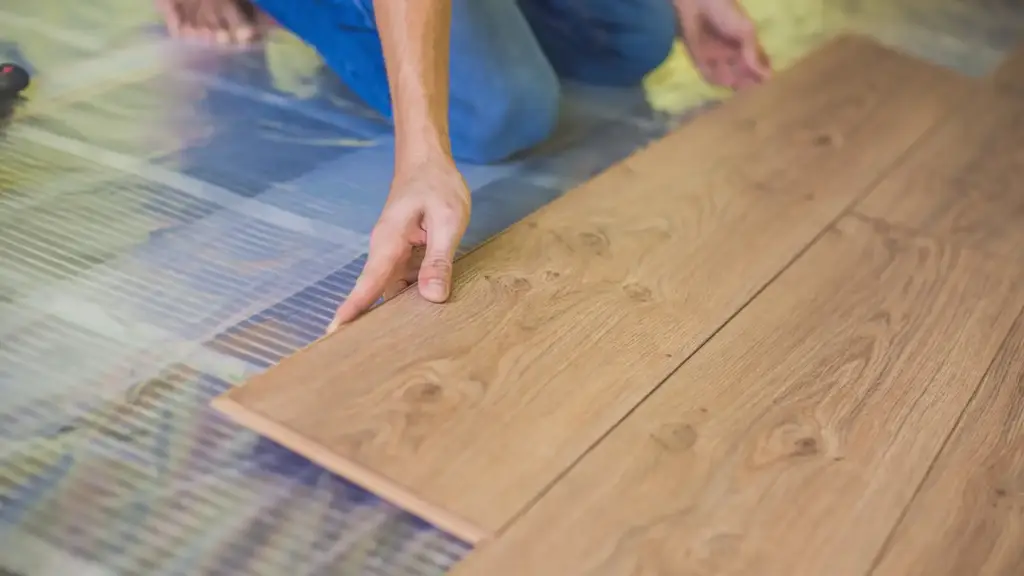
The guidance is fairly specific. Choose a thin, dense, low R value underlay that is explicitly rated for radiant and, when required by the flooring brand, acts as the separation layer.
- R value should be as low as the manufacturer allows, not as high as possible
- The underlay must state radiant compatibility on the spec sheet
- Some brands require it to function as a decoupling layer as well
- Thicker is worse here, which is the opposite of normal underlay shopping
Hydronic Versus Electric
A hydronic system circulates warm water through tubing and usually heats whole floors or whole homes. It is slower to respond and steadier once running.
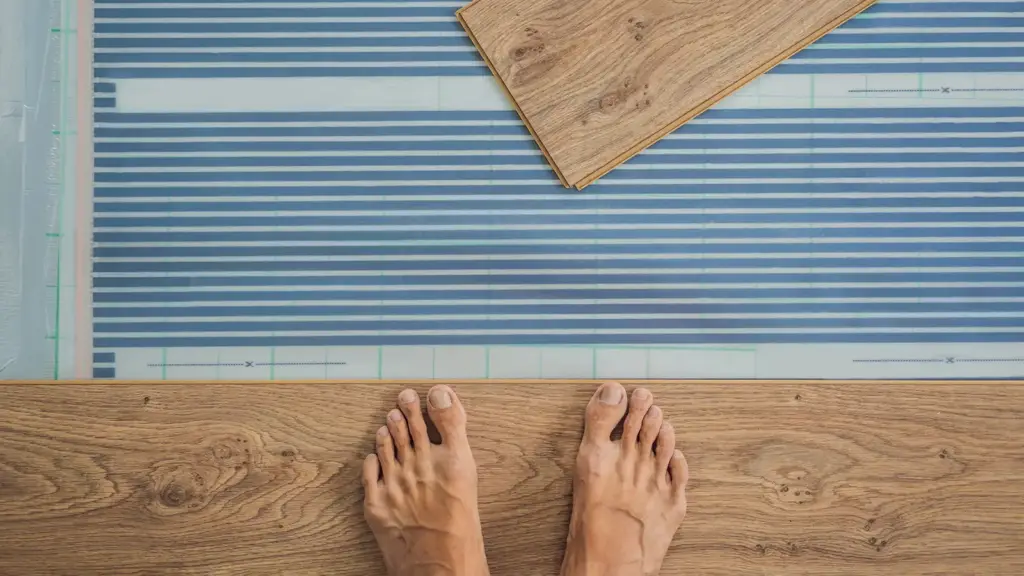
Electric mats heat faster and suit smaller spaces like bathrooms. They also tend to run hotter in spots, which makes that temperature limit more relevant, not less.
Either way, the flooring above needs to be rated for it. The system type does not change that requirement.
Living With a Warm Floor
There is a rhythm to it that takes a season to learn.
Bring the system up slowly at the start of the heating season rather than jumping to full output in one afternoon. Wood especially appreciates a gradual introduction, and rushing it is how gaps appear in December.
Watch what sits on the floor too. A large rug over radiant heat traps warmth underneath and creates a hot spot the system never sees. Same story with a mattress on the floor or a big storage bin pushed into a corner.
Humidity Still Matters
Radiant heat dries the air just like a furnace does. If you have wood floors, a humidifier is not optional in winter, it is part of the system.
Installers such as the team at Petun Flooring will usually ask about radiant heat before showing product, because roughly half the catalogue stops being an option once the answer is yes.
Rugs, Furniture and Other Blockers
A radiant system heats the room through the floor, so anything sitting on the floor is technically in the way.
Most furniture is fine. Legs lift a sofa enough for air to move underneath, and the system barely notices. The problem is anything solid that sits flush to the ground.
The Ones to Watch
Built in cabinetry with a solid base, large storage bins, dog crates with solid trays, and thick area rugs all trap heat against the boards. The system keeps pushing warmth into a space that cannot release it, and the surface underneath runs hotter than the thermostat believes.
For wood floors especially, that localized heat is what dries boards out unevenly. One patch of the room ends up with gaps while everything else stays tight.
Thin rugs are usually fine. It is the plush ones with dense rubber backing that cause trouble, since they insulate exactly as well as they feel like they do.
Worth Doing, Worth Doing Right
Radiant heating is a genuine pleasure in a Canadian winter. It just needs a floor chosen deliberately rather than chosen for looks and hoped for the best.
Choose flooring for radiant heating deliberately, keep the underlay thin, respect the temperature limit. Do that and your floor stays warm and flat for a very long time.
Frequently Asked Questions
Can you put hardwood over radiant heat?
Engineered hardwood works well thanks to its stable core. Solid hardwood is possible but riskier, and it needs narrow boards plus a species known to stay put.
What flooring is best for in floor heating?
Tile leads on efficiency, with engineered wood and heat rated vinyl close behind. All three pass warmth into the room rather than blocking it.
What underlay works with radiant heat?
A thin, dense underlay with a low R value that is explicitly rated for radiant use. Thick cushioned products insulate against the very heat you paid for.
What temperature is too hot for a floor?
Most manufacturers cap surface temperature around 27C. Running hotter risks drying the boards out and generally voids the warranty.
