

There is something timeless about a real wood floor. The warmth, the grain, the way it lifts an entire room. But here in Canada, where indoor humidity can swing wildly between a dry January and a muggy August, choosing the right wood floor is about more than looks. This is where engineered hardwood enters the conversation, and for a lot of modern homes, it has quietly become the preferred option.
At Petun Flooring, we install both solid and engineered wood across the country. Let us walk through how they compare, and which one suits your home best.
First, Both Are Real Wood
A common myth is that engineered wood is some kind of imitation. It is not. Engineered wood planks feature a genuine hardwood veneer on top of a multi layer plywood base. So when you look down, you are seeing and feeling authentic timber.
By contrast, solid hardwood flooring is milled from a single, solid piece of wood right through. Beautiful, classic, and built to last generations when conditions are right.
The Canadian Climate Factor
Here is the part that really matters for our market.
Indoor relative humidity in Canada can sit around twenty to twenty five percent in deep winter, then climb to sixty or seventy percent by late summer. That kind of movement is hard on natural wood.
Why Stability Wins
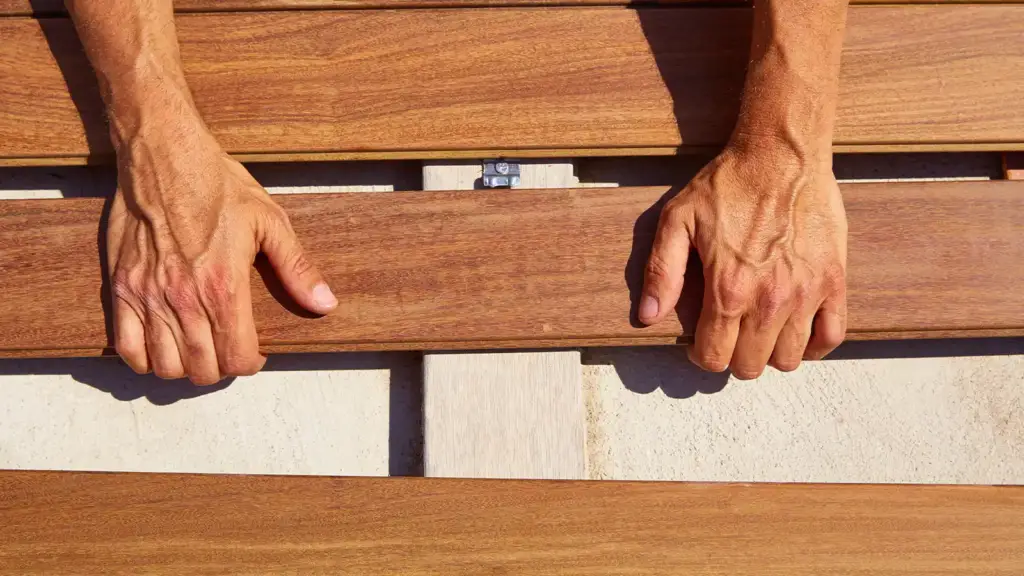
The cross ply construction of engineered hardwood gives it excellent dimensional stability. The layers are stacked in opposing directions, so they pull against each other as humidity shifts. The result is a board that resists cupping, gapping, and buckling through our freeze thaw cycles.
Solid wood, on the other hand, expands and contracts more dramatically. In a home with big humidity swings, that can show up as gaps in winter and tightness in summer.
Where Each One Belongs
Both products have a clear place in hardwood flooring Canada projects. It really comes down to your subfloor and your long term plans.
Choose Engineered When:
- You are installing over a concrete subfloor or a grade level slab
- Your home has an open concept main floor
- You want wide plank looks without the movement risk
- You live in a region with strong seasonal humidity changes
Choose Solid When:
- You have a plywood subfloor above grade
- You plan to stay in the home for twenty years or more
- You want maximum refinishing potential over the decades
The Refinishing Conversation
This is one area where solid wood holds a real edge. A solid board can typically be sanded and refinished five to seven times across its life, which is remarkable longevity.
These boards can also be refinished, but it depends on the thickness of the top veneer. A thicker wear surface means more sanding life. A thin veneer may only allow a light refresh, so this is worth asking about before you buy.
Style and Value in 2026
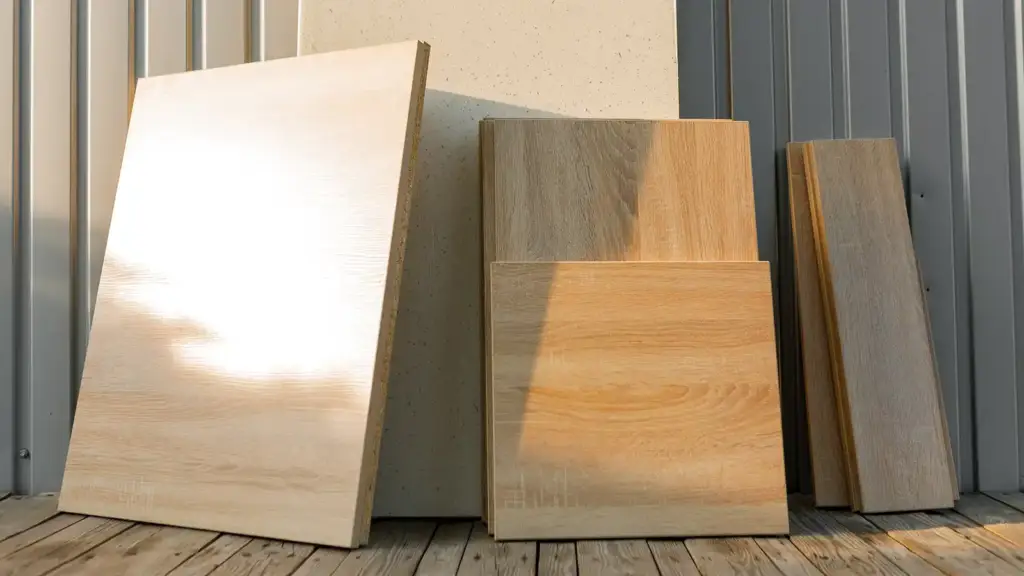
Right now Canadian homeowners are leaning toward warm natural colours, matte finishes, and wide plank flooring with low colour variation. This type of floor suits these trends beautifully because wide boards stay flatter and more stable in our climate.
From a resale angle, real wood floors of either type tend to add genuine value and appeal to buyers. A well chosen wood floor offers most of that wow factor with fewer climate headaches, which is why we recommend it for the majority of new installations.
Our Honest Recommendation
For most homes built after the nineteen nineties, especially those with concrete or slab subfloors, engineered wood is the more practical and forgiving choice. If you have an older home with a plywood subfloor and you are planning to stay put for the long haul, solid hardwood flooring still earns its place.
Either way, you are investing in a floor that looks fantastic and lasts for years. The trick is matching the product to your home, not just to the showroom display.
Caring for a Real Wood Floor
A wood floor rewards a bit of seasonal attention, and in Canada that mostly means managing humidity.
Because timber reacts to the moisture in the air, the best thing you can do is keep your indoor humidity within a comfortable range all year. A humidifier through the dry winter months and good ventilation in humid summers will protect the boards and your warranty alike.
A simple care routine goes a long way:
- Keep humidity around thirty five to sixty percent where you can
- Sweep often and use a wood safe cleaner, never a soaking mop
- Add felt pads under chairs and tables to avoid scuffs
- Place mats at entryways to catch grit, salt, and winter slush
Look after the boards and a quality wood floor will stay beautiful for decades. That kind of long term value, paired with the dimensional stability our climate demands, is exactly what most Canadian homeowners are after when they invest in real timber.
Frequently Asked Questions
Is engineered hardwood real wood?
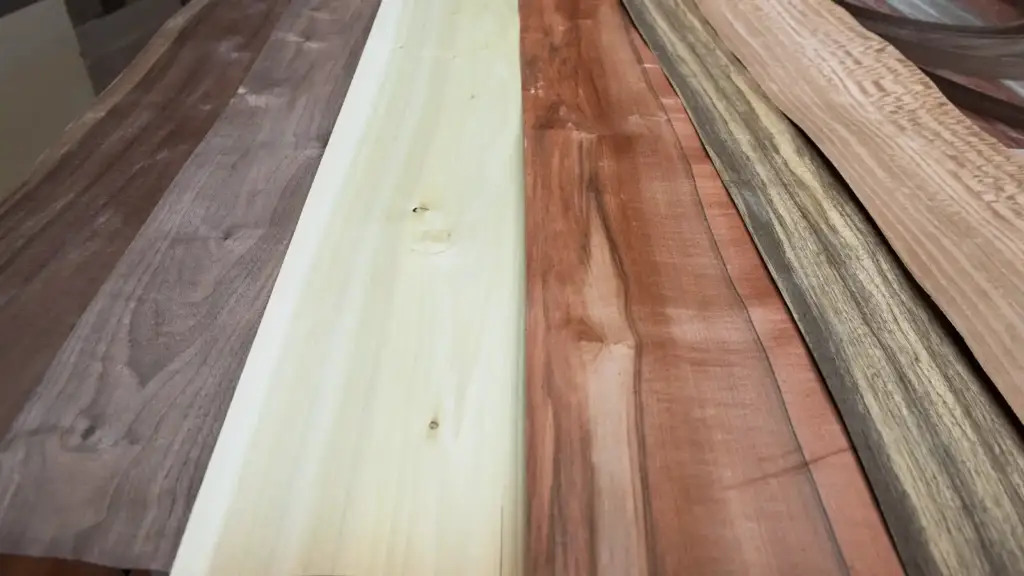
Yes. Engineered hardwood has a real hardwood veneer bonded to a stable plywood core. The surface you see and walk on is genuine timber, not a printed image.
Can engineered hardwood be refinished?
It can, as long as the top veneer is thick enough. Thicker veneers allow several light sandings over the years, while very thin ones may only handle a gentle buff and recoat.
Is engineered hardwood good for Canadian winters?
It is excellent for our winters. Its dimensional stability helps it resist the gapping and cupping that dry winter air and humidity swings can cause in solid wood.
Does engineered hardwood add value to a home?
Real wood floors are a strong selling feature, and engineered wood delivers that authentic look with better climate performance, which buyers across Canada appreciate.
Which is cheaper, solid or engineered hardwood?
Pricing overlaps, but engineered options often cost a little less to buy and install, especially over concrete where solid wood is harder to fit.
