

New boards arrive, they look gorgeous stacked in the hallway, and the temptation to start cutting right away is honestly hard to resist. But flooring acclimation is the quiet step that decides whether those boards still look good next January. It is not glamorous. It is just a stack of planks sitting in a room doing nothing, which feels like wasted time when the reno clock is ticking.
And yet, skipping it is one of the most expensive shortcuts a homeowner can take.
What Acclimation Actually Means
Wood breathes. It pulls moisture content out of humid air and releases it back when the air turns dry. That movement never really stops, it just slows down once the boards settle into their surroundings.
The goal of flooring acclimation is simple. You want the planks to reach the same moisture level as the room and the subfloor before they get nailed, glued, or clicked into place. If the wood is still adjusting after installation, the movement has nowhere polite to go, and that is when gaps or buckling show up.
The Detail Most People Miss
Here is the part that surprises folks. Flooring acclimation is finished when the moisture content matches the room, not when a certain number of days has passed on the calendar.
As one industry resource puts it, the reality is that proper acclimation depends more on environmental conditions than the calendar. Days are a guideline. The moisture meter is the truth.
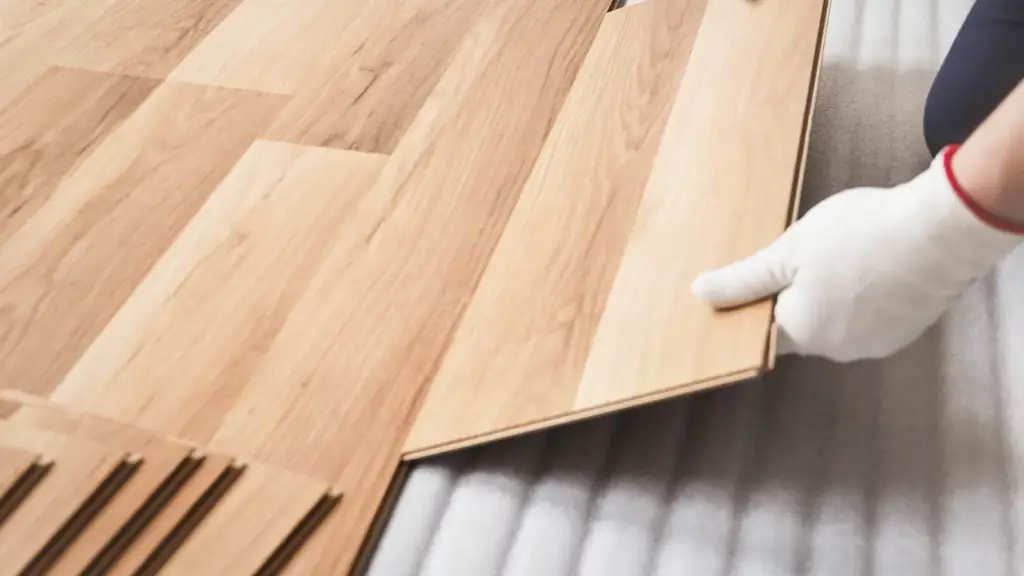
How Long Does It Actually Take?
This depends heavily on what you bought.
Solid Hardwood
Solid wood is the drama queen of the group, and rightly so. It is one continuous piece of timber, so it reacts strongly to its environment. Hardwood acclimation time for solid boards usually lands around five to seven days, though some sources stretch the range to three to ten days depending on conditions.
Engineered Hardwood
Engineered hardwood acclimation is quicker because the cross layered core fights movement. Two to three days is typical. The plywood base is doing a lot of stabilizing work here, which is exactly why engineered wood suits the Canadian climate so well.
Vinyl and Laminate
These still need a rest period, usually 48 hours, but for a different reason. They respond to temperature more than humidity. A cold plank straight off a winter truck will shrink slightly once it warms up in your living room.
The Conditions That Matter More Than the Clock
Letting boards sit in a freezing garage for a week accomplishes nothing. Flooring acclimation only counts when it happens in the actual room, under normal living conditions.
Industry guidance is fairly consistent here. Relative humidity in the building should sit between 30 and 50 percent year round, with temperatures held in a normal comfortable range.
- Keep the heat or air conditioning running as you normally would
- Stack boards in the room where they will be installed, not the basement or garage
- Leave space around the bundles so air can actually circulate
- Check the subfloor moisture before anything else, especially over concrete
That last one gets ignored a lot. A concrete slab can look bone dry and still be releasing vapour into your new floor.
What Happens When You Skip It
The failure is rarely immediate, which is what makes it so sneaky. The floor looks perfect on install day. Everyone is happy, photos get taken.
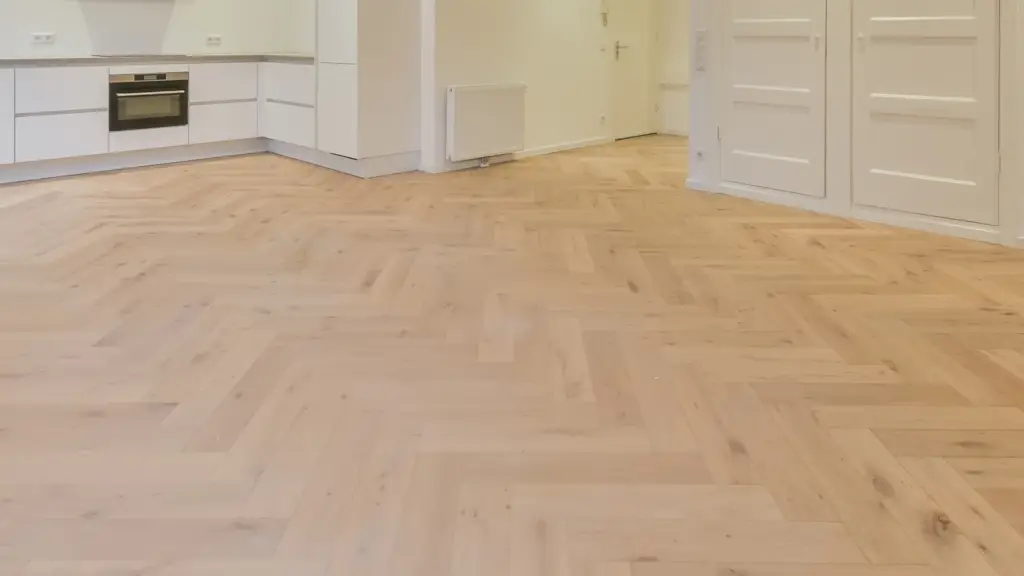
Then the heating season arrives. Furnaces dry the indoor air out, boards that were installed too wet begin shrinking, and by mid winter thin lines appear between every plank. One resource describes it well, noting that many floors that look flawless in October begin separating by January.
The Opposite Problem
Boards installed too dry do the reverse. They swell when summer humidity climbs, press against each other with nowhere to expand, and start to cup or lift at the edges. This kind of wood movement is powerful. Wood does not politely give up.
Getting Installation Day Prep Right
Good installation day prep starts about a week before anyone shows up with a nail gun. Delivery gets scheduled early, the room is brought to living conditions, and the subfloor gets tested rather than assumed.
Good flooring acclimation practice means installers also open a few bundles and check boards from different boxes. Wood is a natural product, and one carton can read differently from another.
At Petun Flooring, this waiting period is treated as part of the job rather than an inconvenience, because a floor that fails in year two costs far more than a few days of patience.
A Quick Word on Wide Planks
Wide boards are everywhere right now, and they are genuinely lovely. They also raise the stakes on flooring acclimation considerably, which is something showrooms rarely bring up.
The reason is simple arithmetic. A seven inch board moving one percent shows twice the visible gap of a three and a half inch board moving the same one percent. Same wood, same behaviour, very different looking floor in February.
So the wider the plank you fall in love with, the less room there is to rush this step. Some installers extend flooring acclimation by a couple of days on wide plank jobs purely as insurance, and that instinct is a good one.
Reclaimed and Exotic Species
These two categories deserve extra patience as well. Reclaimed wood has often spent decades in a barn at wildly different humidity than a modern heated home, so proper flooring acclimation matters even more than usual.
Dense exotic species can be stubborn too. They release and absorb moisture slowly, which sounds stable but actually means they take longer to reach equilibrium in the first place.
So, Is It Worth the Wait?
Yes. Almost always yes.
A few days of boards sitting quietly in your living room is a genuinely small price for a floor that stays tight through a decade of Canadian winters. The renovation feels slower, sure, but the floor lasts longer and that trade is worth making.
If your installer suggests skipping this step to save time, that is worth a second conversation. The good ones will not offer.
Frequently Asked Questions
How long does hardwood need to acclimate?
Solid hardwood generally needs five to seven days, while engineered boards often need only two to three. The real answer depends on your home’s conditions, so a moisture meter reading beats any fixed number.
Can you install flooring the same day it is delivered?
It is not recommended for wood products. Even vinyl and laminate usually want about 48 hours to reach room temperature before installation begins.
What happens if you skip acclimation?
The boards keep adjusting after they are locked down. That shows up as winter gaps, summer cupping, or buckling, and most warranties will not cover it.
Do you acclimate vinyl plank too?
Yes, though for temperature rather than humidity. Roughly two days in the installation room lets the planks settle before the expansion gaps are set.
