

Walk into a beautifully aged home in Ontario, and there is an immediate, undeniable sense of history. The gentle squeak of a hallway floorboard, the rich, amber patina of aged oak or maple it is almost like stepping directly into a classic storybook. However, as the chapters of family life unfold, that storybook foundation inevitably starts looking a little worse for wear. Scratches accumulate from decades of bustling activity, lively pets, and heavy winter boots dragging in the Canadian slush. The once gleaming finish slowly dulls, turning from a warm, inviting glow to a cloudy, tired haze.
This visual fatigue brings every homeowner to the ultimate, often stressful crossroads: the decision to refinish or replace hardwood floors. It is a profoundly tough choice, requiring a delicate balance between the emotional attachment to original architectural character and the intense desire for a fresh, flawless, modern start.
The Unmatched Charm of Historical Timber
There is a deep rooted, passionate respect for heritage in Canadian architecture. The art of restoring old hardwood floors Canada is almost a national pastime for lovers of century homes, particularly in historic neighbourhoods. These original planks were frequently harvested from majestic old growth forests. They boast a density and a remarkably tight grain pattern that is incredibly expensive, if not entirely impossible, to find in modern, mass produced lumber yards today.
When those century old floorboards are painstakingly brought back to life, they reveal a depth of colour and a unique, rugged character that simply cannot be manufactured in a contemporary factory setting. It is a piece of local history, preserved right beneath the feet.
The Magic of Modern Sanding
The thought of heavy sanding used to conjure up terrifying nightmares of fine, toxic dust covering every single surface of a house for months on end. It was a chaotic, messy disruption. Thankfully, modern technology has completely revolutionized this restorative process. Today, hardwood floor sanding dustless systems capture almost all the particulate matter right at the source. Massive, high powered vacuums attached directly to the sanding machines mean the home stays remarkably clean, and the indoor air quality remains safe.
This brilliant innovation has made the restoration process far less intimidating. As noted by the National Wood Flooring Association, “Properly maintained wood floors can last for generations, requiring only periodic recoating or refinishing.” It is a testament to the enduring strength of nature.

The Practical and Financial Equation
Let’s talk numbers, because budgets ultimately dictate the final path of any renovation journey. Generally speaking, bringing an old floor back to its former glory is significantly more budget friendly than tearing it out entirely and buying brand new, premium material. The cost to refinish hardwood floors Kitchener and the surrounding areas usually falls into a very reasonable bracket compared to a full scale replacement.
This cost effectiveness makes refinishing highly attractive for those looking to maximize their home improvement dollars. The money saved on raw materials can be cleverly redirected into a luxurious custom stain or a high end, commercial grade polyurethane finish that will rigorously protect the wood for another twenty years.
The Critical Thickness Factor
However, there is a crucial, physical catch to this magical restoration process. Wood floors are not infinite resources. Every single time a heavy drum sander passes over the planks, it aggressively shaves off a precious fraction of a millimetre of wood. This brings up the critical, unavoidable debate of replacing thin hardwood vs refinishing.
If a floor has already been sanded three or four times in its long lifetime, the wood remaining above the tongue and groove joint might be paper thin. Sanding it one more time could disastrously expose the structural nail heads or cause the fragile planks to splinter and crack under regular foot traffic. Before making any permanent decisions, pulling up a floor register to physically check the actual thickness of the remaining wood is an absolute, non negotiable must.
When the Wood is Too Tired to Fight
Sometimes, despite all the love, patience, and budget in the world, a floor simply cannot be saved. Recognizing the signs your hardwood needs replacing is essential to avoid pouring hard earned money into a sinking ship. Extreme gaps between boards that never seem to close even in the humid summer months, widespread squeaking that indicates complete subfloor failure, and boards that feel alarmingly spongy or soft underfoot are all giant, waving red flags.
Furthermore, dark, black stains from decades old pet accidents deeply penetrate the wood fibres. These ammonia based stains chemically burn the wood and absolutely cannot be sanded out, leaving permanent, unsightly marks.
The Nemesis Called Water
Water is the absolute, uncompromising nemesis of natural wood. A leaky dishwasher, a burst winter radiator, or a flooded basement can wreak absolute havoc in a matter of hours. While minor cupping (where the edges of the board rise higher than the centre) can sometimes be sanded flat once the wood thoroughly dries, severe moisture damage is a different story entirely.
Extensive hardwood floor water damage repair often involves violently ripping out large sections of the affected floor. If the damage is widespread, weaving in brand new boards to perfectly match the old, aged ones becomes an incredibly tedious and astronomically expensive puzzle. At this point, bringing in a professional hardwood floor service Waterloo expert to honestly assess whether a full tear out is more economical is the wisest move any homeowner can make.
The Excitement of Starting Fresh
Saying a final goodbye to an old floor is undoubtedly hard, but laying down a brand new one is incredibly thrilling. It offers a glorious blank canvas to completely redefine the aesthetic energy of a home. Want to switch from narrow, yellowing oak strips to wide plank, wire brushed hickory? Replacement is the only logical way to achieve that dramatic transformation. It instantly modernizes a space, making it feel cleaner, larger, and infinitely more stylish.
Solid vs. Engineered Wood
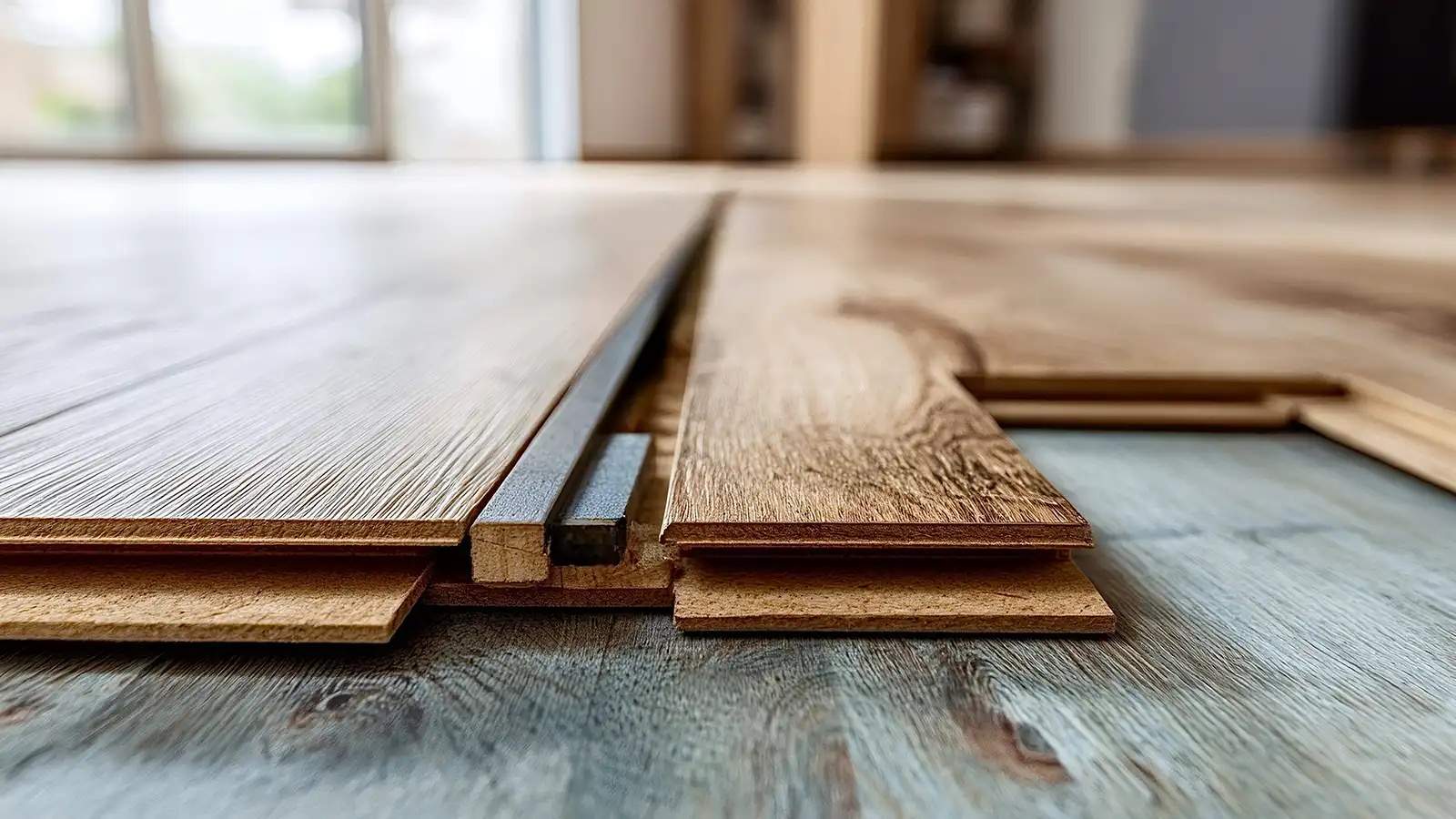
When shopping for the perfect replacement, the industry terminology can get quite confusing. The biggest decision usually comes down to engineered hardwood vs solid wood replacement. Solid wood is exactly what it sounds like: a single, thick, traditional piece of timber. It is classic and can be sanded multiple times over its lifespan.
Engineered wood, on the other hand, features a stunning top layer of real hardwood securely bonded to a highly stable plywood core. In the wildly fluctuating Canadian climate, where winters are bone dry due to indoor heating and summers are thick with humidity, engineered hardwood is often considered the superior choice. It fiercely resists the natural expansion and contraction that causes solid wood to gap and cup, providing a beautiful, flawlessly flat look completely year round.
Making the Final, Confident Decision
Ultimately, the choice to refinish or replace hardwood floors is a deeply personal puzzle, perfectly balancing practical realities with sentimental ties to the property. It requires looking bravely at the raw, undeniable facts: the physical thickness of the current planks, the severity of any hidden water damage, and the overarching financial budget.
If the home boasts significant historical charm, and the wood possesses enough life left to withstand the sander, restoring that original, glowing beauty is a noble and highly rewarding endeavour. The rich, textured history etched into the grain of an old growth plank is a beautiful thing. The dustless sanding techniques available today make this a highly accessible dream.
Conversely, if the floors are hopelessly damaged, frighteningly paper thin, or simply clash entirely with a desired modern aesthetic, replacing them is a golden opportunity to breathe entirely new, vibrant life into the environment. A home is a living entity, constantly evolving alongside the families that inhabit it. The floors are the foundational stage of that shared life. Take the time, consult with trusted local professionals, and choose the path that makes the space feel warm, safe, and uniquely spectacular for decades to come.
