Description
Reducer 8 Foot for Laminate: The Laminate Reducer That Settles Two Floors at Different Heights
Almost every flooring project reaches the same moment. The new laminate meets an older floor at a doorway, the two surfaces do not sit at the same height, and suddenly there is a raw edge where the room should feel finished. A laminate reducer is the small piece that resolves it.
Why an unfinished edge is more than a cosmetic problem
A step of a few millimetres looks minor on paper. In use it is the thing a toe finds, a walker catches, and a vacuum knocks against week after week. Exposed plank ends are also the most vulnerable part of a laminate floor, because the core is open to whatever gets swept, mopped or spilled into the join.
A floor transition strip does two jobs at the same time. It ramps the higher surface down to the lower one so the change in level is walked over rather than tripped on, and it caps the plank ends so the edge of the floor is protected and hidden. The result is a threshold that reads as intentional rather than as the point where work stopped.
Knowing which transition piece your situation needs
Reducers belong to a small family of profiles, and choosing the right one is mostly a matter of describing what meets what.
- Reducer: joins your laminate to a lower floor such as tile, vinyl, linoleum or a low pile carpet
- T moulding: joins two floors of the same height, typically laminate to laminate through an opening
- End cap: finishes a floor where it stops at a sliding door track, a hearth or an exterior threshold
- Stair nosing: forms the rounded, protected front edge of a step or landing
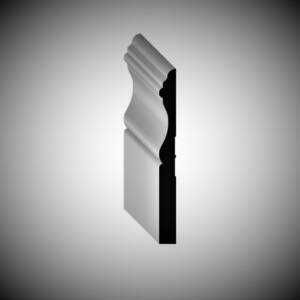
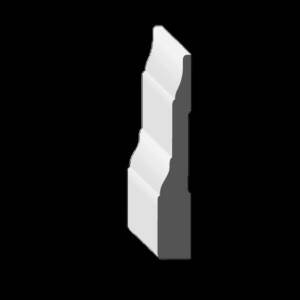
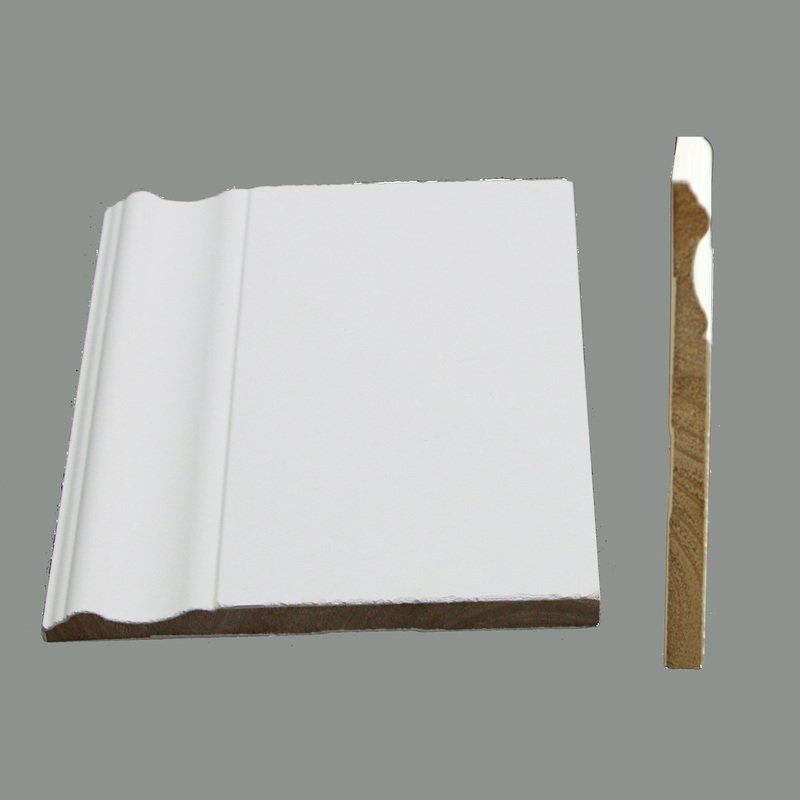
Supplied in 8 foot lengths and made for laminate flooring, this reducer covers standard interior openings in one continuous piece, so a typical doorway transition needs no join in the middle where it would be most visible.
How it changes the way a home reads
Transitions quietly organise a house. Where you place a doorway transition tells the eye where one room ends and the next begins, which is useful in the compact hallways and split level layouts common in Waterloo Region homes. A well chosen floor transition strip also lets the two floors keep their independence, so each one can move with our humid summers and dry winters without fighting the other at the join.
Colour matching matters here more than anywhere else in the room, because the strip sits at eye catching height in a doorway and is framed by the jamb. Rather than describe a shade in words, we would rather you looked hard at the product photograph and, better still, brought a piece of your flooring in to compare in daylight. Photographs and screens flatten tone in ways that only a side by side comparison undoes.
Fitting it properly
We recommend professional installation. A transition has to be set at the right height, secured to the subfloor rather than clamping the laminate, and cut so it fits the jamb tightly on both sides. Before you order, please confirm with the Petun Flooring team which transition type your particular situation calls for and which colour match suits your floor, since the answer depends on the two surfaces meeting and the gap between them.
Bring your doorway measurements and a photograph of the join, or a spare plank if you have one, and we will help you settle the profile and quantities in a few minutes. Pickup is available at our Kitchener and Cambridge locations, stock on trim and transition pieces is limited, and matching profiles are easiest to secure while the flooring order is still fresh.