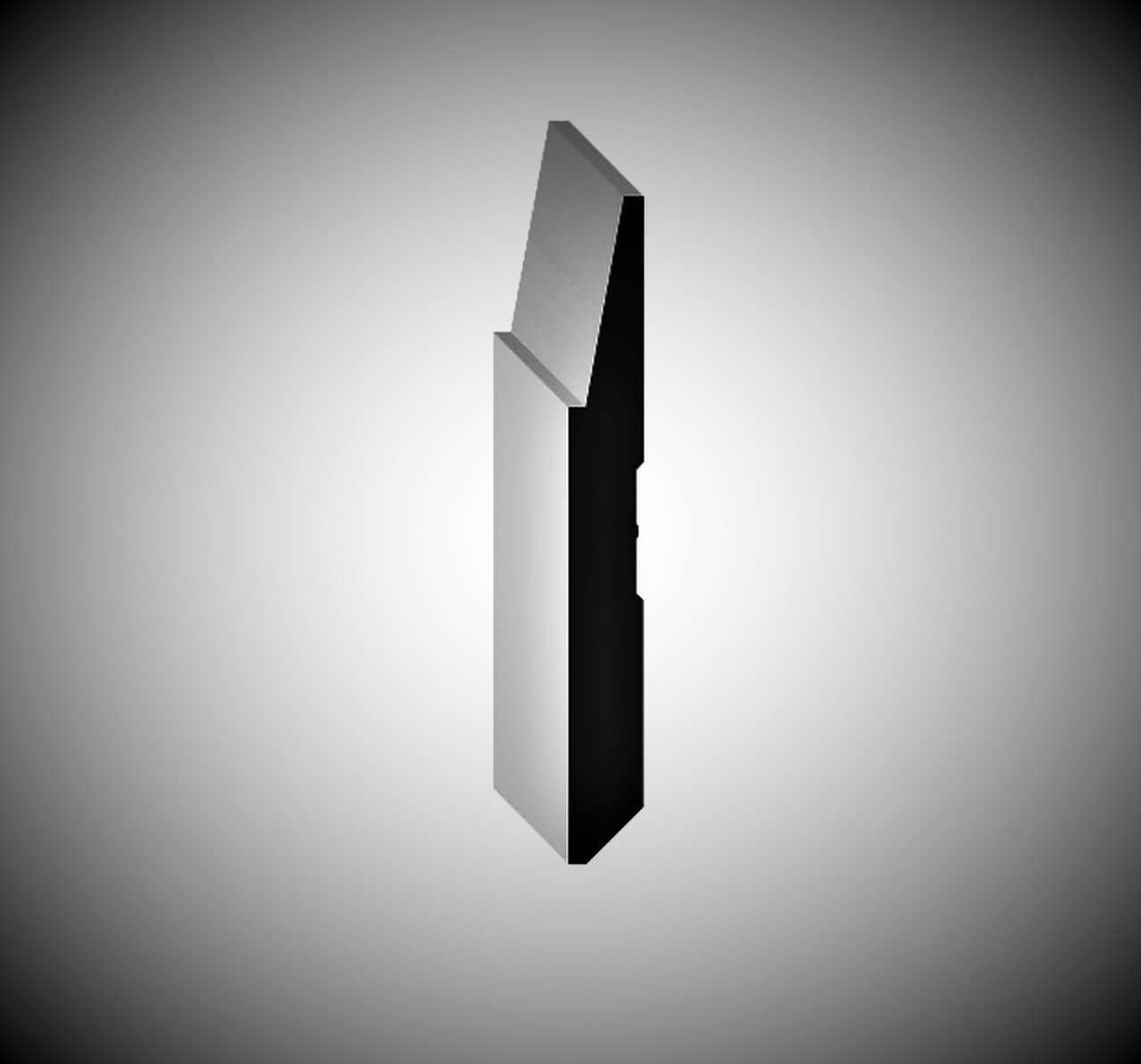
Description
Baseboard Bevel Step 5-1/2 Inch: The Middle Ground Between Traditional and Plain
Many homes are not one thing. There is an inherited dining table beside a modern sofa, older doors with newer light fittings, a kitchen that has been updated and bedrooms that have not. Choosing trim for a house like that is genuinely difficult, because heavy traditional detail feels overdressed and dead flat stock feels like nothing was chosen at all. A bevel baseboard answers that problem by taking a step in neither direction.
What a bevel does that a curve does not
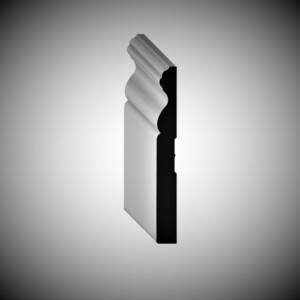
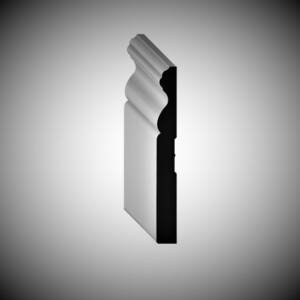
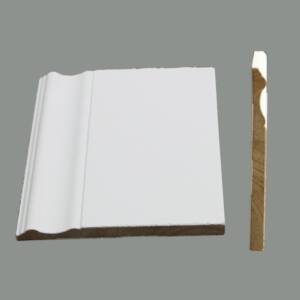
The face of this board rises straight, then meets a single clean angle that runs back toward the wall. There are no coves, no beads and no carved returns, just one confident chamfer catching the light. The result has definition, so it does not read as a plain plank, but the definition comes from geometry rather than ornament, which is why it does not force a room to commit to a period style.
This is the reason the shape is described as transitional trim. Transitional trim works in a room with traditional furnishings because the angled top edge echoes the way older mouldings step back from the wall. It works in a contemporary room because the line is straight and the surface is uninterrupted. Very few profiles genuinely sit in both camps, and this one does.
Substance you can feel
At five and one quarter inches high, ten feet long and five eighths of an inch thick, this board has a little more body than the common half inch trim. That extra thickness matters more than the number suggests. The board sits further proud of the wall, the bevel casts a slightly deeper shadow, and the whole run feels more solid where it meets a door casing or a cabinet end.
Like every base, it also does honest work out of sight. It closes the gap where wall meets floor and covers the expansion space a floating floor needs at its perimeter, which is not a detail to skip in a climate that swings between humid summers and heated dry winters.
Choosing the right height
- Five and one quarter inches suits standard and slightly raised ceilings comfortably
- Consider the thickness of your door casing so the two meet cleanly
- A thicker board may need existing casing checked before it is fitted
- Paint sheen changes how strongly the bevel reads, so test before committing
Installation advice
We recommend professional installation. A bevelled edge shows any misalignment at a corner immediately, because the angle has to continue uninterrupted from one piece to the next. The trim is primed, cut, mitred and coped on site, and painted once it is fitted and filled. Since this board is thicker than standard, it is well worth confirming the exact baseboard profile, sizes, suitability and quantities with the Petun Flooring team before ordering so that the baseboard profile you receive works with the casing already in your home.
Please do not judge the finish from a screen. Study the product photograph closely, then come and see a length in person and set it beside your own paint chips and flooring samples, because primer under showroom lighting never tells the whole story. This bevel baseboard is available for pickup at our Kitchener and Cambridge locations, and shipping and financing can be arranged if that suits your project. Stock is limited on trim lines, so bring your room measurements to us early and we will help you work through lengths, waste and quantities.
SIZE: 5-1/4” X 10′ X 5/8”