

Nothing quite prepares you for the moment a floor you paid good money for starts lifting off the subfloor. Vinyl plank buckling usually shows up in the sunniest, prettiest part of the house, which feels like a cruel joke. The living room with the big south facing glass. The spot everyone compliments.
The floor is not defective, most of the time. It is reacting to physics that nobody mentioned at the showroom.
The Sunlight Problem Nobody Warns You About
Canadian homes love big windows, and chasing daylight makes good sense here, especially between November and March when it is in short supply.
But direct sunlight does something dramatic to a hard surface floor. Concentrated sun can heat a dark vinyl floor up to 60C or higher, far exceeding the ambient room temperature. Your thermostat says a comfortable 21. The floor in that sunbeam is closer to a hot car dashboard.
Why That Causes Buckling
Vinyl plank buckling starts with something simple, heat makes vinyl expand. That is normal and expected.
The trouble is that the expansion is uneven. Sun drenched planks expand faster than the surrounding shaded areas, and that mismatch tears at the connections between boards. Thermal expansion in one zone while a neighbouring zone stays put puts real stress on a floating floor.
Eventually something gives. Usually the locking system, which was never designed to referee that kind of fight.
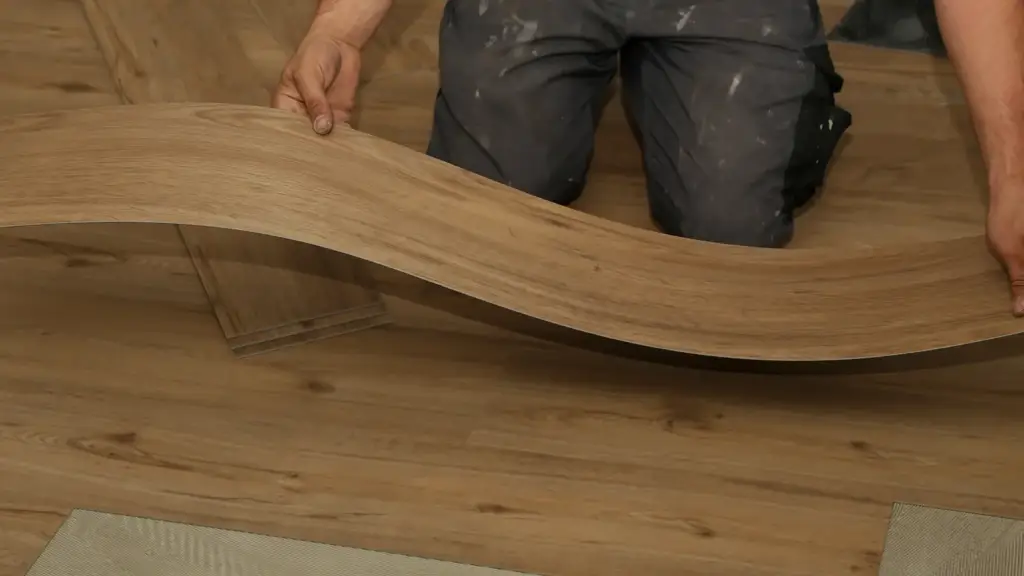
The Expansion Gap Everyone Underestimates
Here is the single biggest cause of vinyl plank buckling, and it happens on install day.
Every manufacturer mandates an expansion gap around the entire perimeter of the room, usually 6 mm to 10 mm. That space is not decorative. It is the room the floor needs when it grows.
When that gap is missing or gets stuffed with debris, the expanding floor hits the wall and stops. Pressure has to go somewhere, so it goes up. The result is what installers call tenting, where planks rise into a ridge across the middle of the room.
- Check that baseboards cover the gap without pinching the planks
- Cabinets and heavy islands should never trap a floating floor
- Door frames need to be undercut, not butted tight
- Transitions between rooms are gaps too, not just trim
A floating floor has to float. Pin it down anywhere and you have created a problem that will surface months later.
Quality Matters More Than the Sticker Says
Not all planks handle heat the same. A rigid SPC core generally holds up better against temperature swings than cheaper flexible constructions, simply because it moves less.
Vinyl plank buckling and gapping tend to come from three places, and it is worth knowing them. Insufficient expansion gaps at the perimeter. Temperature and humidity fluctuations that cause planks to expand and contract. And low quality planks with unreliable locking systems.
That third one is a reminder that the cheapest box on the shelf sometimes costs the most in the end.
Living With South Facing Windows
You do not have to give up your light. But a few habits genuinely help.
Manage the Sun
Blinds or sheer curtains during peak afternoon hours make a real difference, especially in summer. It sounds almost too simple to matter. It matters.
Think About Colour
Dark planks absorb more heat than light ones. If a room is essentially a greenhouse, a lighter tone is the easier floor to live with. This is one of those cases where south facing windows should influence the shade you pick, not just the style you like.
Mind the Gaps in Winter Too
Cold does the opposite. Planks contract, and small gaps appear between boards. Those often close again when the room warms, which is normal seasonal behaviour rather than a defect.
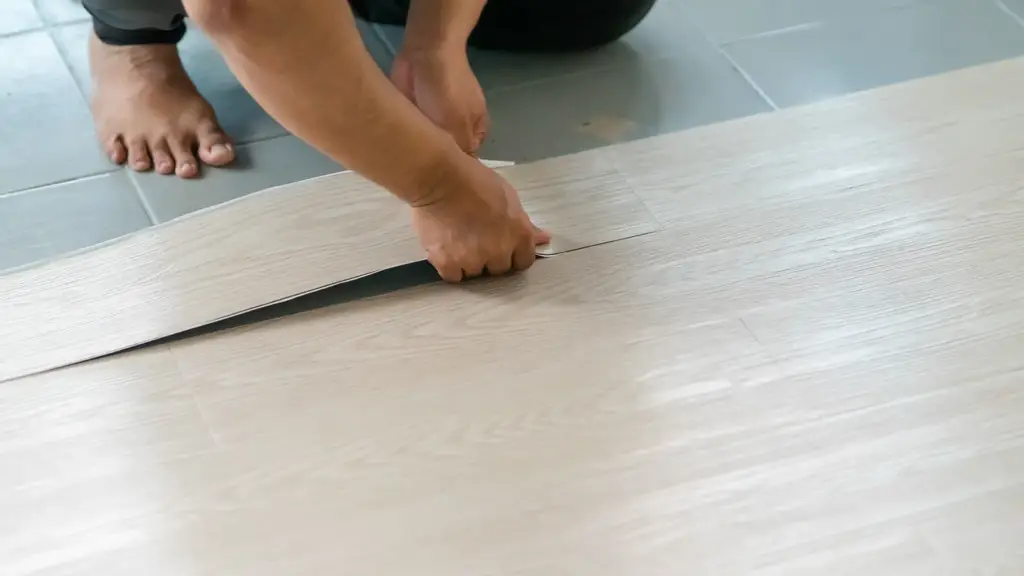
Other Heat Sources Worth Watching
Sunlight gets the blame, and it earns most of it. But it is not the only heat source that causes vinyl plank buckling in a Canadian home.
Floor vents that blow directly across a plank create a warm stripe that expands differently from the boards beside it. Wood stoves and fireplaces do the same thing at closer range, and portable heaters left running in one spot are a surprisingly common culprit.
The Winter Cottage Scenario
Here is one that catches people out. A cottage or a rental left unheated for months, then blasted back to twenty two degrees over a weekend, puts the floor through a brutal swing.
Vinyl plank buckling in seasonal properties often traces straight back to this. The fix is not complicated, just bring the temperature up gradually rather than all at once, and try not to let the place swing from freezing to tropical in a single afternoon.
Consistency is what vinyl wants. Dramatic swings are what causes vinyl plank buckling more than any single hot day ever will.
Can It Be Fixed?
Often, yes, and it is less dramatic than it looks.
If the cause of the vinyl plank buckling is a missing perimeter gap, an installer can pull the baseboards, trim the planks back to spec, and let the floor settle. Many floors relax within days once they have somewhere to expand into.
If the locking system is damaged, those boards need replacing. This is where having a couple of spare boxes from the original lot becomes a small blessing, since dye lots shift over time.
Installers such as the crew at Petun Flooring tend to check sun exposure before recommending a product, because the fix is much cheaper as a conversation than as a repair.
The Short Version
Vinyl is a genuinely excellent floor. Waterproof, tough, easy to live with. It just needs room to breathe and a bit of respect for what sunlight does to it.
Leave the gap. Watch the sun. Buy a decent core. That is most of the battle right there.
Frequently Asked Questions
Why is my vinyl plank lifting in the middle?
That is usually tenting, caused by the floor expanding with nowhere to go. It almost always traces back to a missing or blocked perimeter expansion gap.
How much expansion gap does vinyl plank need?
Most manufacturers require between 6 mm and 10 mm around the entire perimeter. Check your specific product, since the requirement varies by brand and room size.
Can sunlight ruin vinyl flooring?
Intense sun can heat a dark floor well past 60C, causing uneven expansion and stress on the locks. Blinds and lighter colours reduce the risk considerably.
Why did my LVP separate after two years?
Repeated seasonal expansion and contraction slowly works at the joints, especially with a weaker locking system or a floor that was pinched at the edges from day one.
